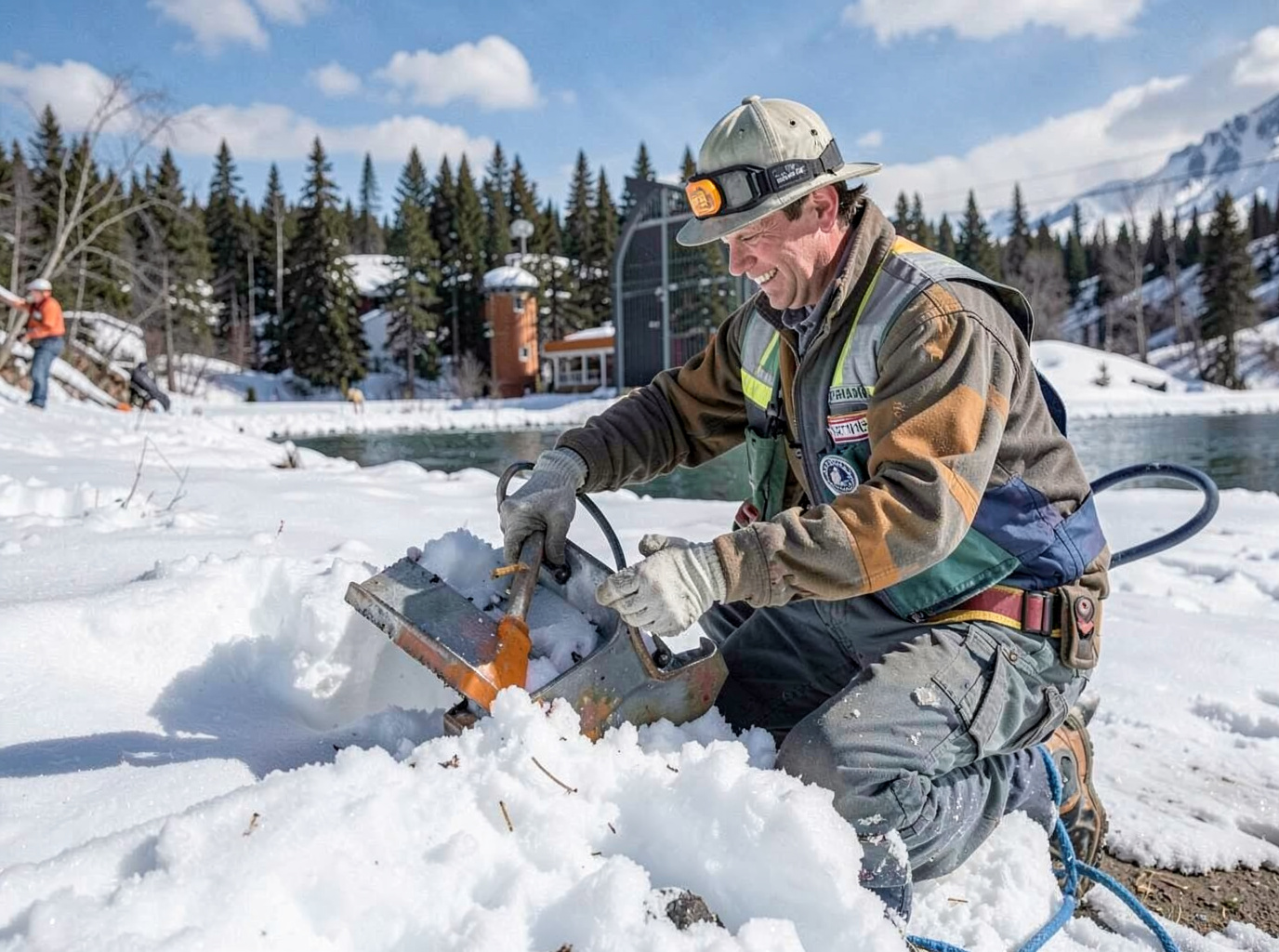
Coeur d'Alene winters bring repeated freeze-thaw cycles that push snowmelt under shingles on north-facing slopes common along the lakefront and in the Sanders Beach area. Older homes built before 1980 often lack adequate attic ventilation, allowing heat loss that melts snow and refreezes at the eaves. We use steam wands and specialized roof rakes to clear dams without damaging asphalt or cedar shakes, then inspect for hidden moisture in the underlayment.
Heat cable systems rated for Idaho snow loads are installed along eaves, valleys, and downspouts to maintain clear drainage paths through March. In Kootenai County, homes near Tubbs Hill or in the Fort Grounds frequently see ice push against gutters, so we add self-regulating cables with timers to reduce energy use. Proper flashing at skylights and plumbing vents is checked because these spots become entry points once water backs up behind a dam.
Homeowners sometimes attempt DIY removal with hammers or chemicals that void manufacturer warranties on architectural shingles. We document existing roof condition with photos before any work and advise on attic insulation upgrades that stop the heat escape driving most dams. Post-removal, we verify that downspouts discharge at least six feet from foundations to avoid refreezing on walkways common in the downtown grid.
Local building practices in the Coeur d'Alene area emphasize ice-and-water shield extending six feet up from the eaves on new roofs, a detail often missing on 1970s-era homes in the Midtown district. When dams form repeatedly, we trace the source to ridge vents blocked by insulation or bathroom exhaust fans venting into the attic.
Technician insight
In Coeur d'Alene, the thing that catches most people out with Ice Dam Removal & Prevention is the way north-facing roofs in the historic district trap meltwater against cedar shakes when attic insulation sits too close to the decking, something we see every winter on homes near the old hospital site.
North-Facing Roof Near Tubbs Hill
Heavy snow sat on a 1960s home's north slope for two weeks. We found ice pushing under the second-course shingles above a blocked soffit vent. Steam cleared the dam and we added cable along the gutter line; the homeowner later improved attic baffles and no new leaks appeared after the next freeze.
Ice Dam Removal & Prevention Services We Offer
✓Ice Dam Assessment and Removal
On-site evaluation followed by steam and mechanical clearing of dams on Coeur d'Alene roofs without shingle damage.
✓Heat Cable Installation
Self-regulating cable runs along eaves and valleys to prevent refreezing during Kootenai County winter cycles.
✓Attic Ventilation Audit
Inspection of soffit, ridge, and gable vents to reduce heat loss that creates ice dams on older local homes.
✓Gutter and Downspout Clearing
Removal of ice and debris from gutters serving homes near Lake Coeur d'Alene where drainage freezes quickly.
✓Roof Edge Snow Raking
Safe removal of snow accumulation four feet back from eaves on steep Coeur d'Alene pitches.
✓Ice-and-Water Shield Retrofit
Addition of membrane along eaves and valleys during repairs to match current Kootenai County practices.
Ice Dam Removal & Prevention Cost in Coeur d'Alene, ID
| Service | Typical Range | What Affects It |
|---|---|---|
| Basic Ice Dam Removal | $250–$550 | Single-story homes with easy ladder access in flat neighborhoods |
| Heat Cable Installation | $400–$900 | Per 50 linear feet of eaves; higher on two-story lakefront homes |
| Full Prevention Package | $650–$1,200 | Removal plus cable and ventilation adjustments on typical Coeur d'Alene homes |
| Repeat Visit After Storm | $150–$300 | Follow-up clearing after new snowfall on previously treated roofs |
Ranges are typical for Coeur d'Alene, ID and confirmed with an exact written quote before any work starts.
How it works
- 1
Site Inspection
We examine roof pitch, existing ventilation, and ice locations from the ground and attic on Coeur d'Alene properties.
- 2
Safe Removal
Steam application and hand raking clear the dam while protecting shingles and gutters common in the area.
- 3
Prevention Setup
Heat cables and ventilation corrections are installed to stop recurrence during remaining winter months.
- 4
Documentation and Advice
Photos and written recommendations are provided for any insulation or flashing work needed on the home.
Pricing
Upfront quotes based on roof access, dam size, and whether heat cable is added.